Commerce is the lifeblood of the global economy, encompassing all activities concerned in shopping for and selling goods and services. From historical barter structures to present day virtual marketplaces, it represents the organized exchange of cost that drives boom and connects purchasers with merchandise. know-how commerce is essential for any entrepreneur, pupil, or professional navigating the commercial enterprise global.
This complete manual will demystify commerce, exploring its core components, various sorts, and simple significance. We are able to additionally delve into the current traits powered by means of technology which might be reshaping how trade is conducted. Whether you’re launching a startup or aiming to scale an existing commercial enterprise, this text provides the authoritative insights you need to prevail inside the dynamic world of alternatives.
What is trade? A clear Definition
At its center, trade refers back to the complete device of activities that facilitate the change of products and services between producers and customers. It’s not simply the transactional moment of purchase however the sizable surroundings that makes that transaction viable. This includes essential techniques like transportation, warehousing, coverage, banking, advertising, and all supporting offerings.
think about commerce as the bridge between manufacturing and intake. A farmer grows wheat (manufacturing), but trade includes the logistics to move it, the financing to guide the mill, the advertising to sell the flour, and the retail shop in which a customer finally buys bread. It adds time, region, and ownership utility to products, making sure they may be available whilst and wherein clients need them.
The 4 primary kinds of commerce
commerce manifests in numerous paperwork, defined by means of who’s shopping for and who is promoting. spotting those kinds allows agencies to tailor their techniques efficiently.
Enterprise-to-business (B2B): This includes transactions among two corporations. Examples consist of a manufacturer buying raw substances from a dealer or a software business enterprise promoting corporation solutions to some other organisation. Income cycles are longer, relationships are strategic, and order values are normally excessive.
Commercial enterprise-to-customer (B2C): The maximum recognizable shape, where organizations sell directly to quit purchasers. This consists of retail shops, restaurants, and maximum on line shopping websites. decisions are often extra emotional, advertising and marketing is broad, and the point of interest is on comfort and patron revel in.
Consumer-to-consumer (C2C): right here, customers change without delay with each other, facilitated via a third-celebration platform. Examples are eBay, facebook market, and OLX. It enables the sale of used goods, specific objects, and fosters a peer-driven economy.
Consumer-to-business (C2B): this contemporary version flips the conventional dynamic. People provide fees to agencies, including a freelance fashion designer selling offerings to a firm, an influencer providing advertising and marketing attainment, or a customer presenting testimonials. It highlights the strength of the person within the digital age.
Why is commerce so essential?
Commerce is a way greater than easy change; it is an essential pillar of societal progress and economic stability. Its significance cannot be overstated, impacting countries and individuals alike.
Drives financial increase: trade stimulates industrial hobby, creates jobs across sectors (logistics, sales, marketing), and will increase a nation’s GDP. It’s miles a direct degree of economic fitness.
Complements standard of dwelling: It guarantees the provision of a wide sort of items and offerings to purchasers internationally. You could enjoy fresh espresso from Brazil or a phone assembled in China, way to complex business networks.
Promotes Specialization & performance: nations and organizations recognition on producing what they may be pleasant at (comparative advantage) and change for different requirements. This ends in better fine products, innovation, and higher resource allocation.
Generates income and Wealth: commerce is the mechanism through which agencies generate revenue and income. This capital fuels in addition investment, studies, and improvement, creating a cycle of innovation and boom.
The virtual Revolution: E-trade and beyond
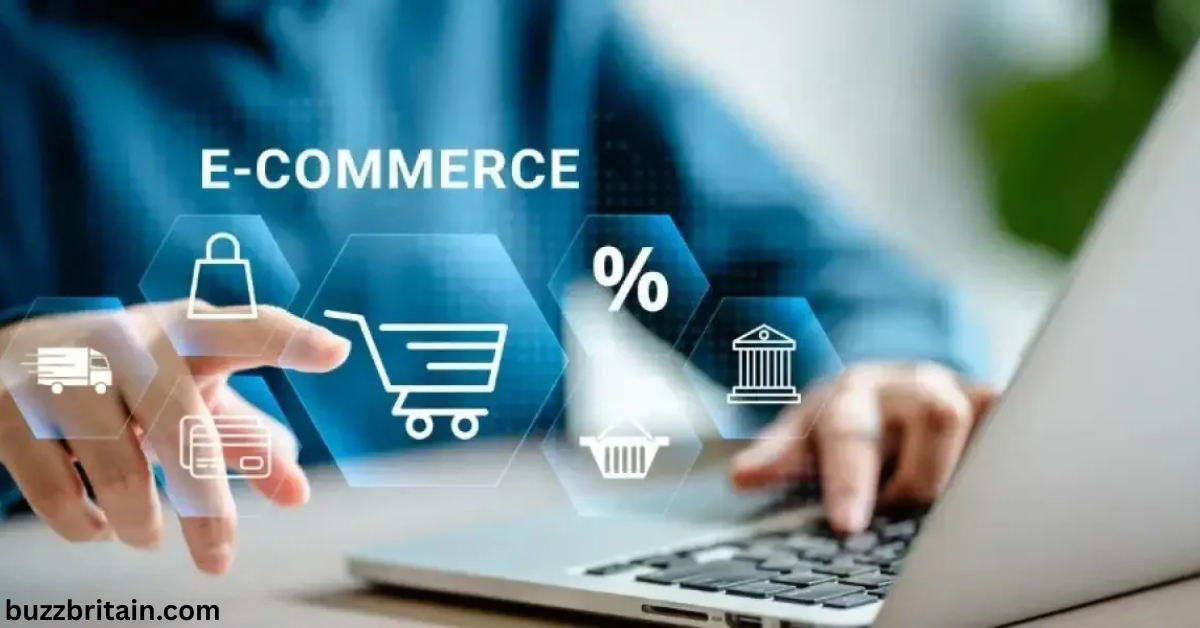
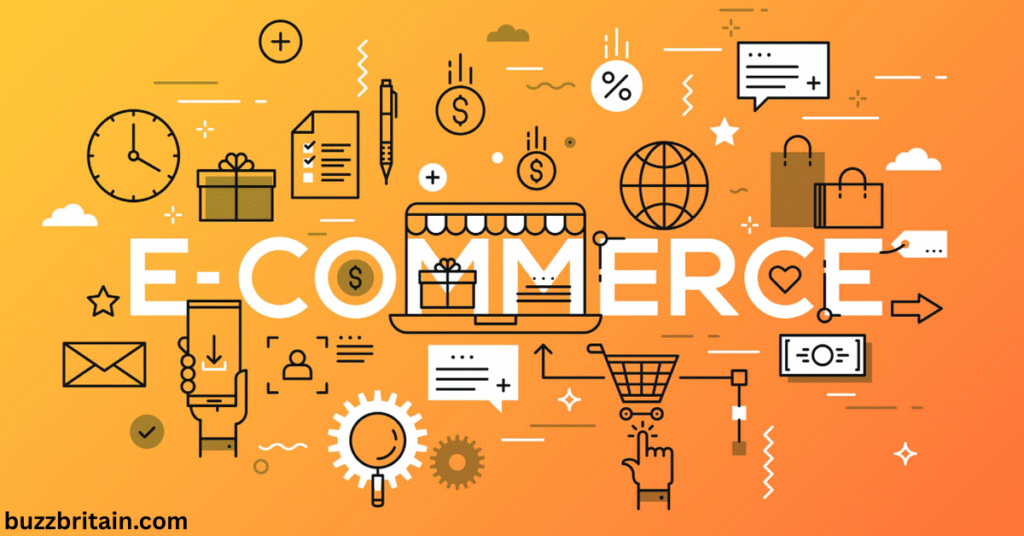
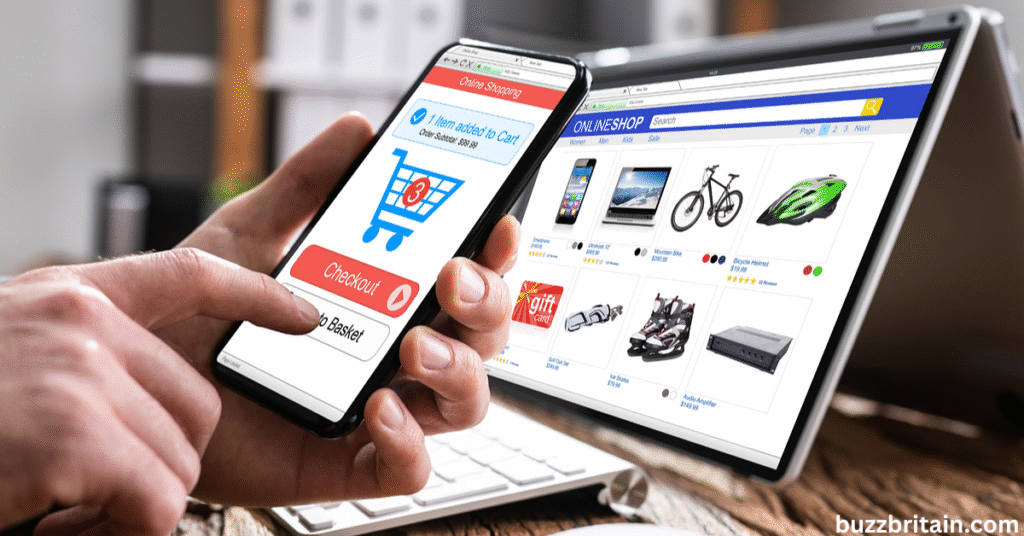
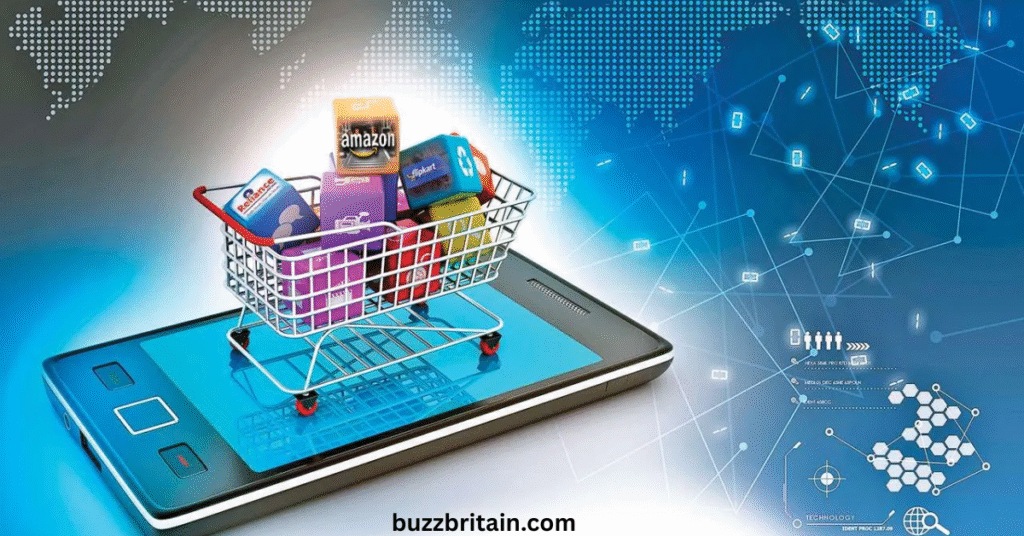
The advent of the internet has converted trade into e-commerce, creating a paradigm shift. Online stores, virtual payments, and worldwide marketplaces have eliminated geographical boundaries and opened 24/7 storefronts.
Contemporary commerce is described by means of tendencies like cell purchasing (m-commerce), social commerce (buying without delay through social media apps), and personalised AI-pushed pointers. Subscription models, dropshipping, and omnichannel retail—wherein online and offline experiences merge seamlessly—at the moment are trendy. For any business today, a sturdy digital commerce approach is not optional; it’s vital for survival and growth.
FAQs: Your commerce Questions replied
Q: What is the main distinction among trade and enterprise?
A: enterprise is a broader term regarding all sports aimed at making an income (manufacturing, production, operations). Commerce is a subset of businesses particularly targeted at the distribution and change of those goods and services.
Q: What is an example of e-trade?
A: shopping an ebook on Amazon, ordering groceries via Instacart, or subscribing to Netflix are all not unusual examples of e-commerce (B2C). A corporation shopping for cloud services from Microsoft Azure is a B2B e-commerce instance.
Q: What are the primary components of commerce?
A: the important thing additives are alternate (the real shopping for/selling) and aids to exchange. Aids to change include shipping, warehousing, insurance, banking & finance, advertising, and communique services that facilitate easy exchange.
Q: How is modern trade changing?
A: it is becoming quicker, greater customized, and omnichannel. tendencies like voice trade, augmented truth strive-ons, sustainable and ethical commerce, and blockchain for supply chain transparency are shaping the future.
End
commerce is the dynamic engine of alternate that powers our international, evolving from historical marketplace squares to present day virtual storefronts. information of its sorts—from B2B to C2B—and its crucial position in financial development is prime for everyone concerned in business. As technology continues to increase, embracing modern trends in e-trade and digital strategy will separate hit establishments from the rest.
